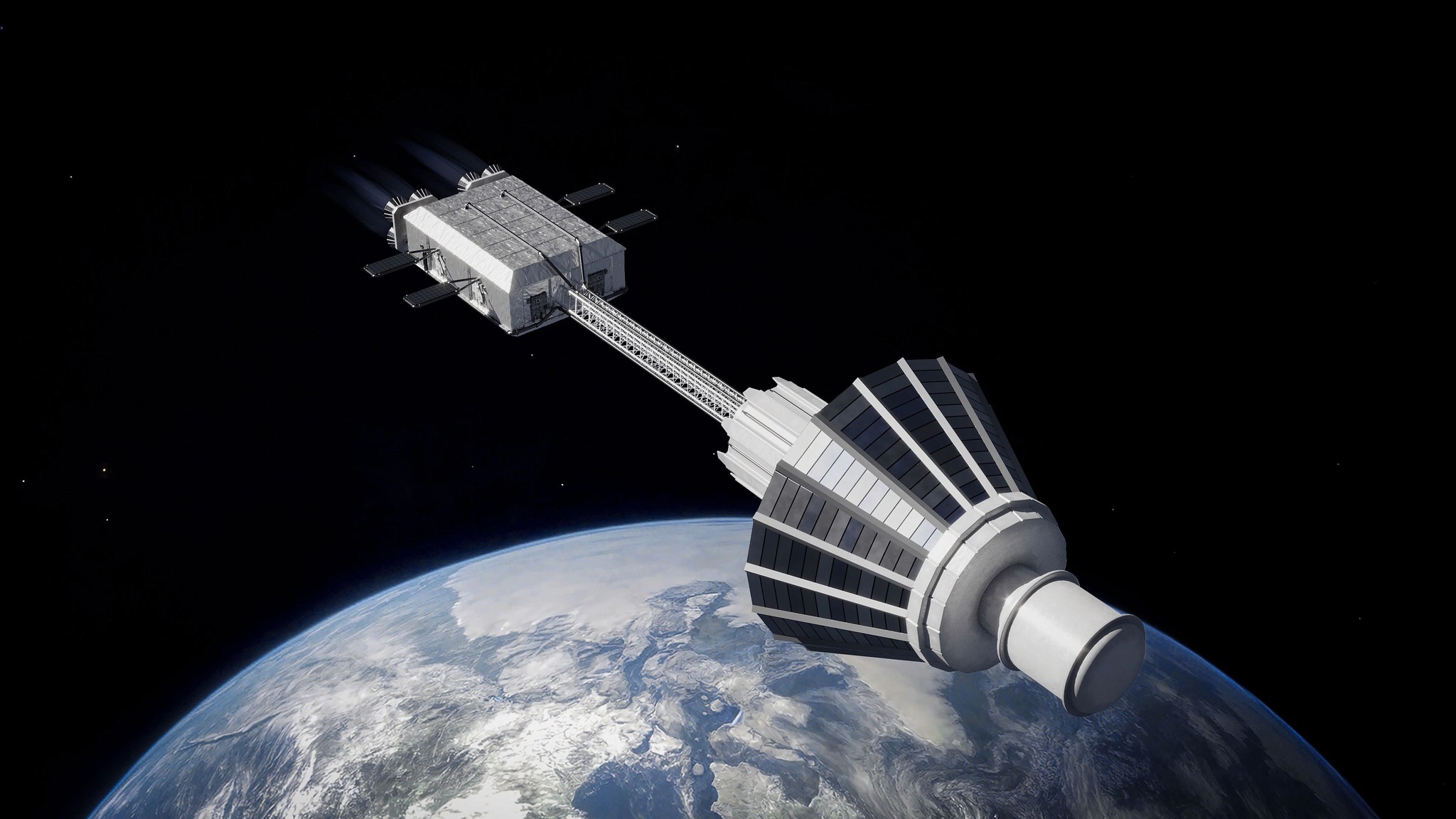
Abundant energy from Earth to the asteroid belt.
Abundant energy from Earth to the asteroid belt.
Abundant energy from Earth to the asteroid belt.
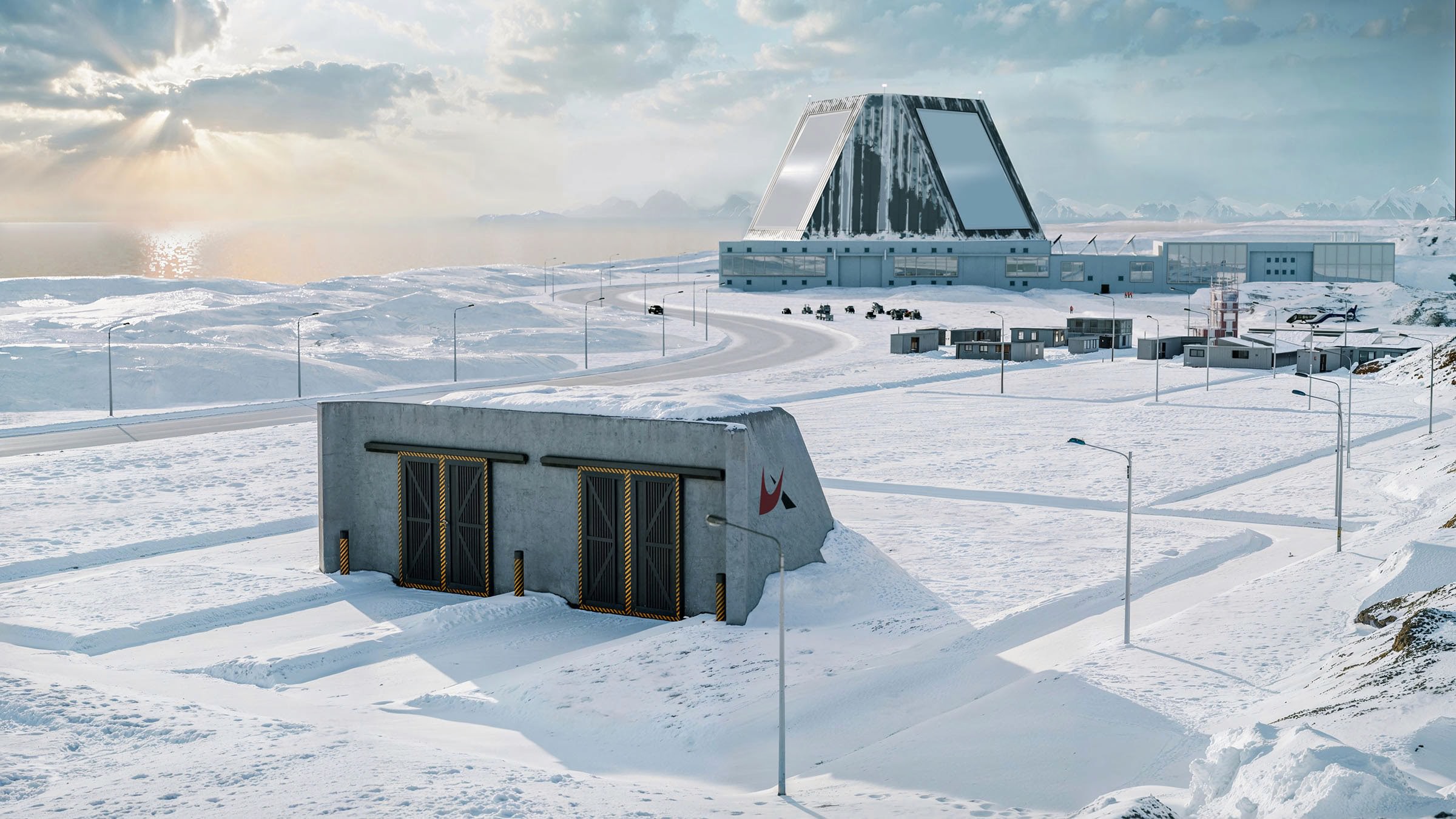
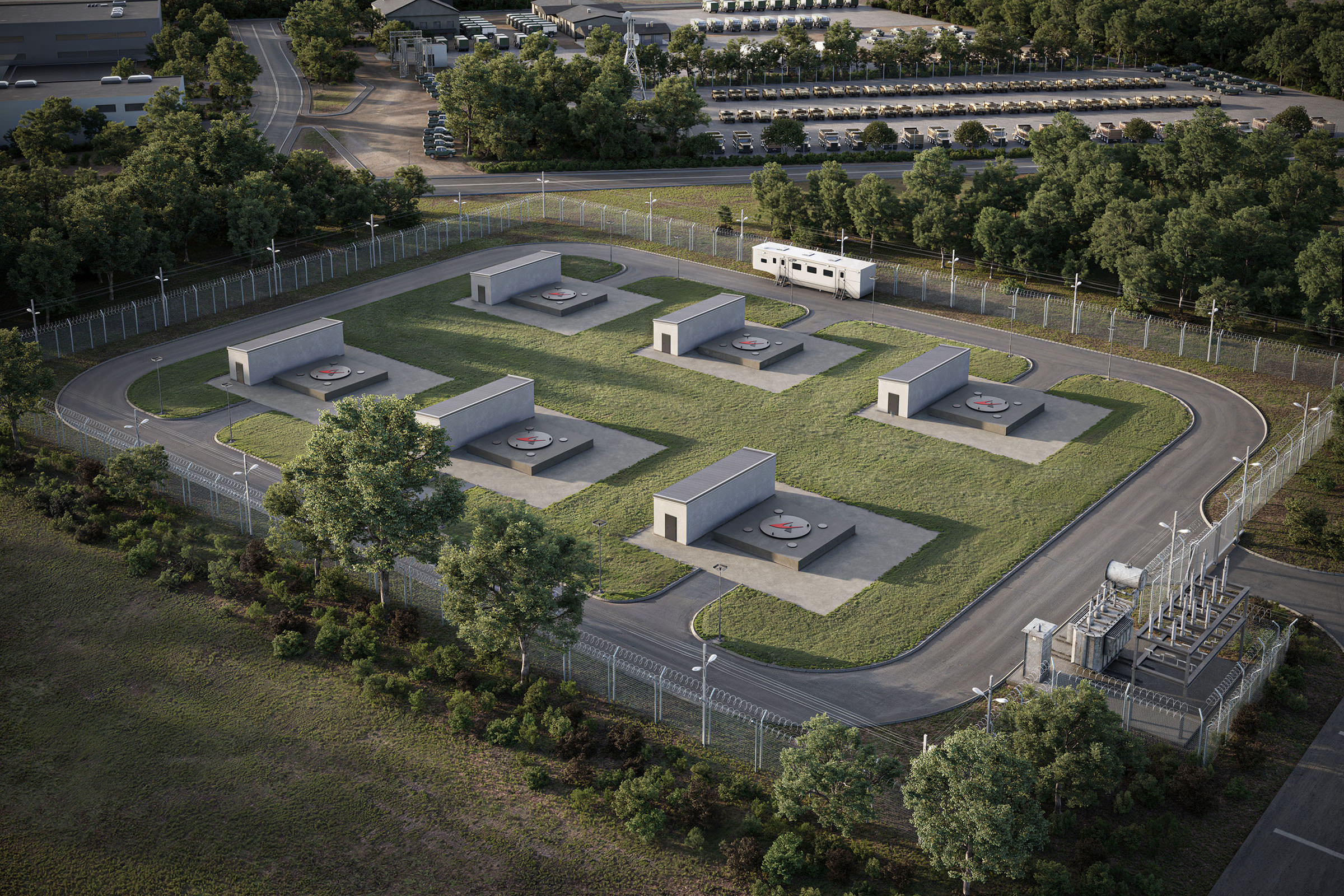
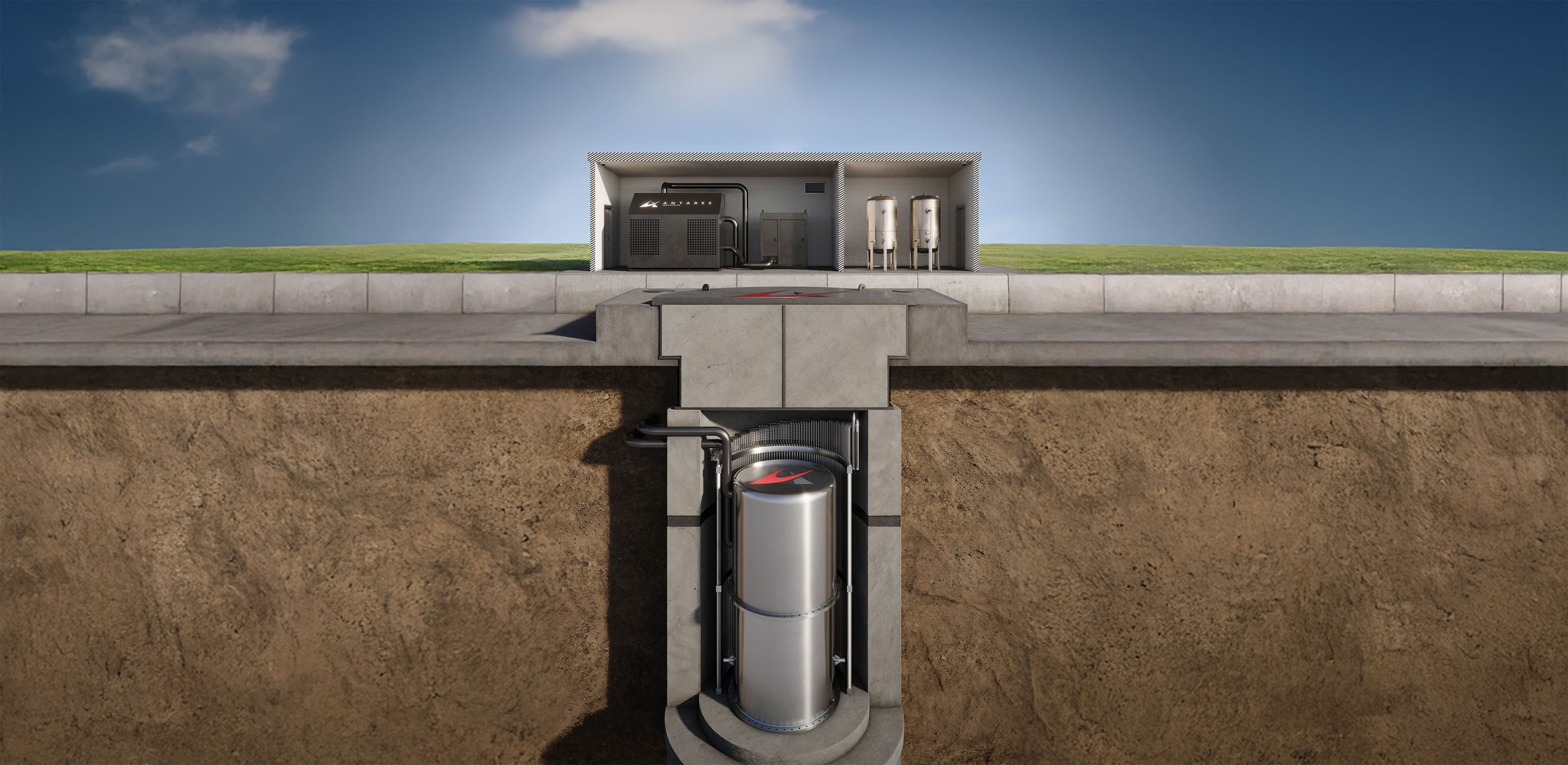
Fission microreactors to enable strategic energy for critical mission capabilities on Earth, in space, and underwater.
R1 Microreactor
Purpose-designed modular power for defense-critical assets
100kWe - 1MWe for 4-6 years
01
Integrated Shielding & Transport Cradle
Cradle simplifies deployment with minimal gear.
02
Reactivity Controls
Graphite and boron carbide control drums with independent actuator motors, inspired by historical space reactor designs.
03
Core
TRISO coated particle fuel in prismatic graphite core.
04
Sodium Heat Pipes
Sodium heat pipes enable redundant, high-temperature, entirely passive heat transfer.
05
Primary Heat Exchanger
Fin and tube heat exchanger.
06
Nitrogen Brayton Cycle
Simple recuperated N2 closed Brayton cycle enables efficient power conversion at < 300 psi. Low maintenance, low corrosion, leak resistant, and high reliability.
07
Power Management & Distribution
Electricity is conditioned through a power management and distribution node which can flexibly deliver power and connect to local microgrids.
ENGINEERING
Simple design optimized for reliability, uptime, and manufacturability
Simple design optimized for reliability, uptime, and manufacturability
Simple design optimized for reliability, uptime, and manufacturability
Capabilities
Vertically integrated supply chain
Vertically integrated supply chain
Vertically integrated supply chain
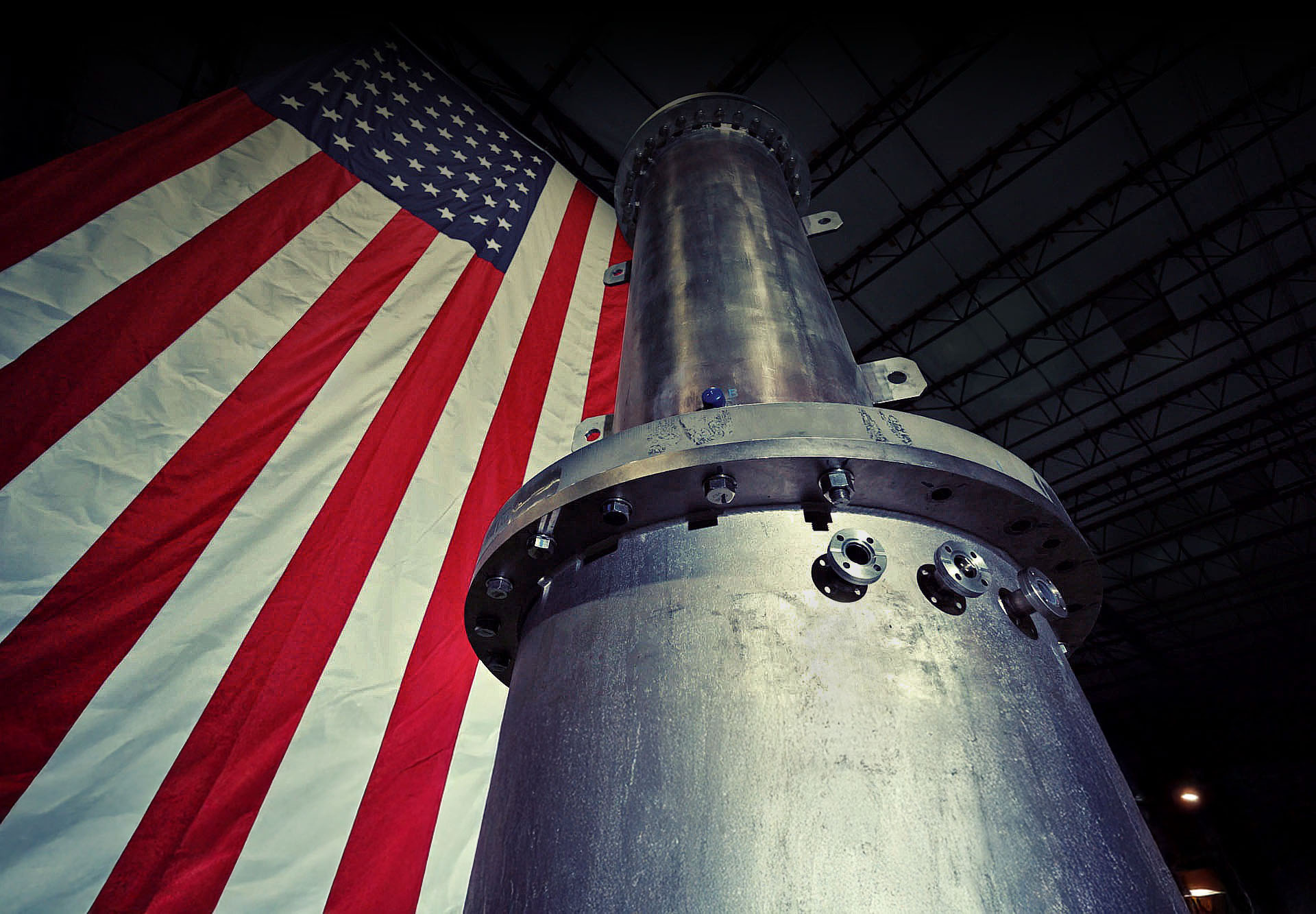
Special Purpose Reactors
We design and manufacture modular, transportable reactors for strategic energy applications on Earth and in space.
Special Purpose Reactors
We design and manufacture modular, transportable reactors for strategic energy applications on Earth and in space.
Special Purpose Reactors
We design and manufacture modular, transportable reactors for strategic energy applications on Earth and in space.
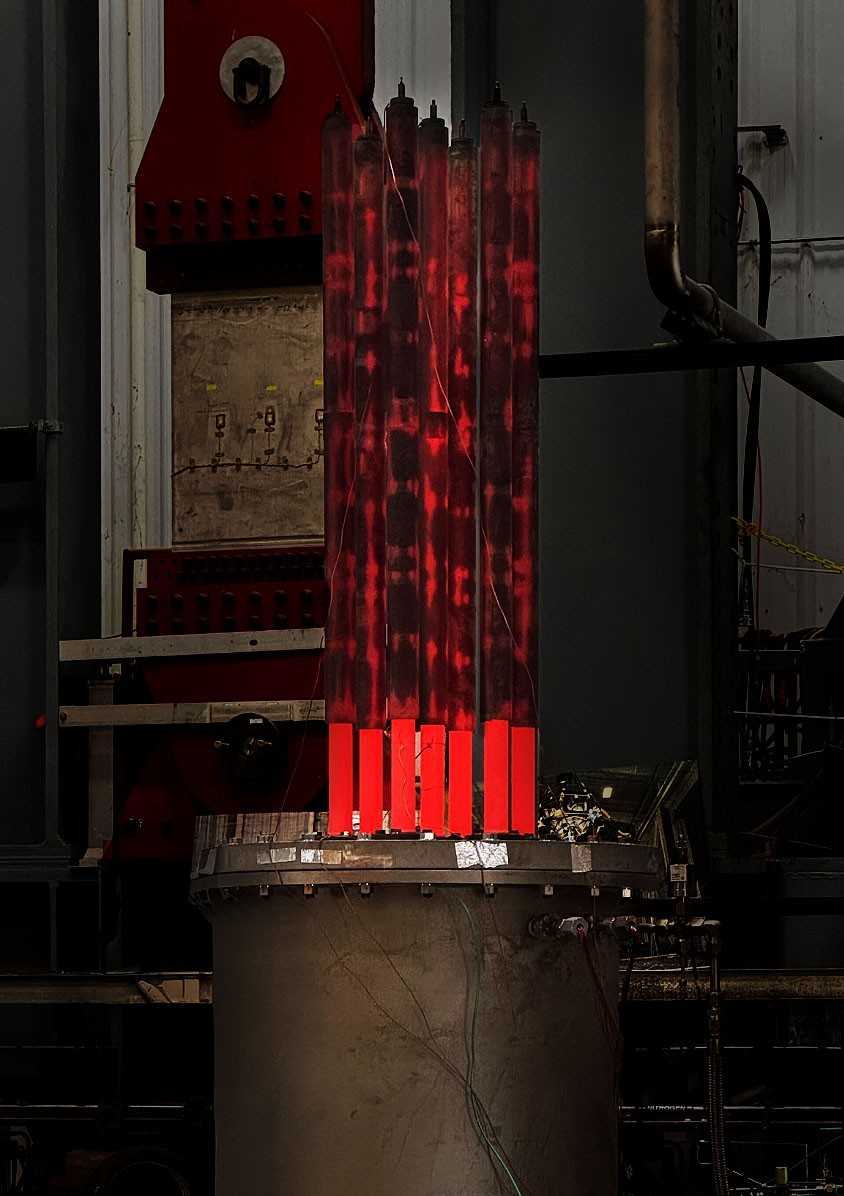
Heat Pipes & Thermal Management
Our expertise includes developing high-temperature heat pipes and radiators for compact thermal management.
Thermal Management
Our expertise includes developing high-temperature heat pipes and radiators for compact thermal management.
Thermal Management
Our expertise includes developing high-temperature heat pipes and radiators for compact thermal management.

Control Systems
Our team excels in design, build, and test of automated control systems, enabling hardware-in-the-loop digital twins.
Control Systems
Our team excels in design, build, and test of automated control systems, enabling hardware-in-the-loop digital twins.
Control Systems
Our team excels in design, build, and test of automated control systems, enabling hardware-in-the-loop digital twins.
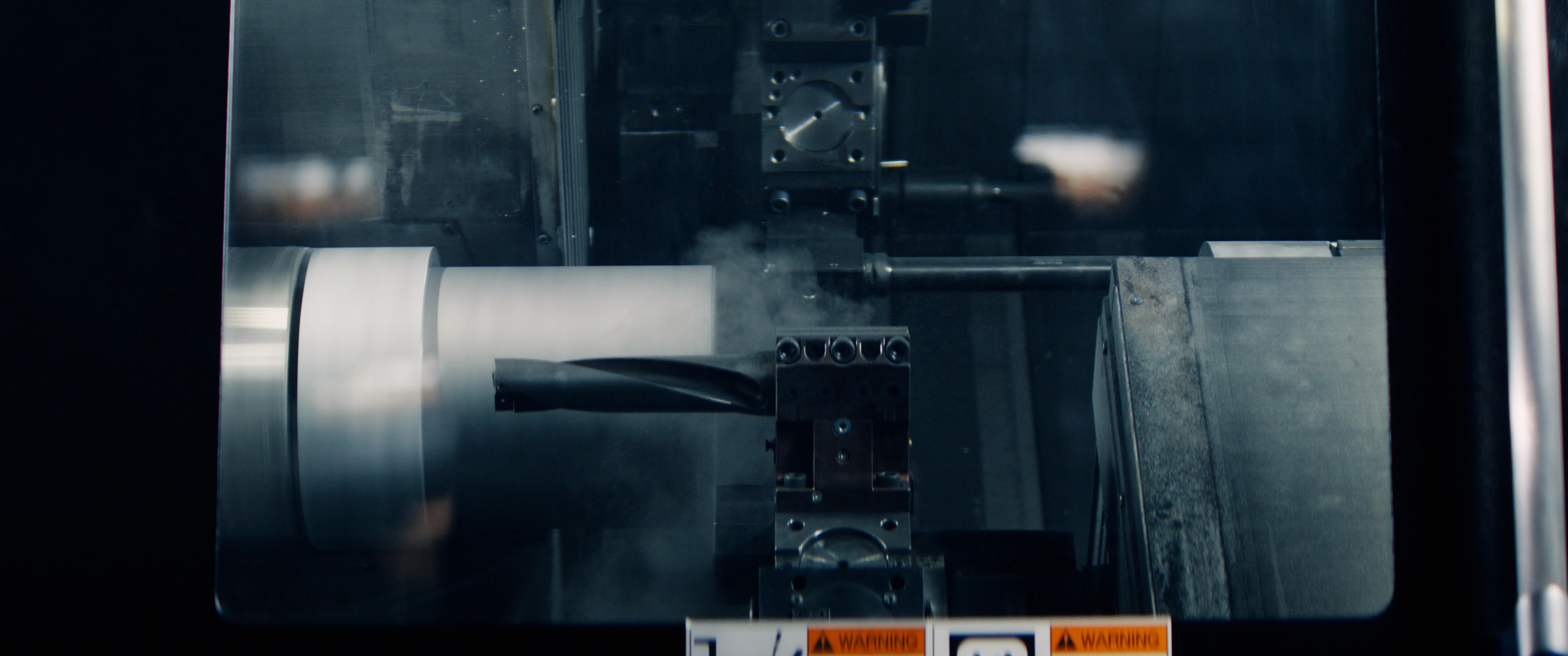
Graphite Machining
We precision machine nuclear-grade graphite in house which accelerates our design iteration speed and feedback loop.
Graphite Machining
We precision machine nuclear-grade graphite in house which accelerates our design iteration speed and feedback loop.
Graphite Machining
We precision machine nuclear-grade graphite in house which accelerates our design iteration speed and feedback loop.
Roadmap to Full Power
Roadmap to Full Power
Roadmap to Full Power
2025
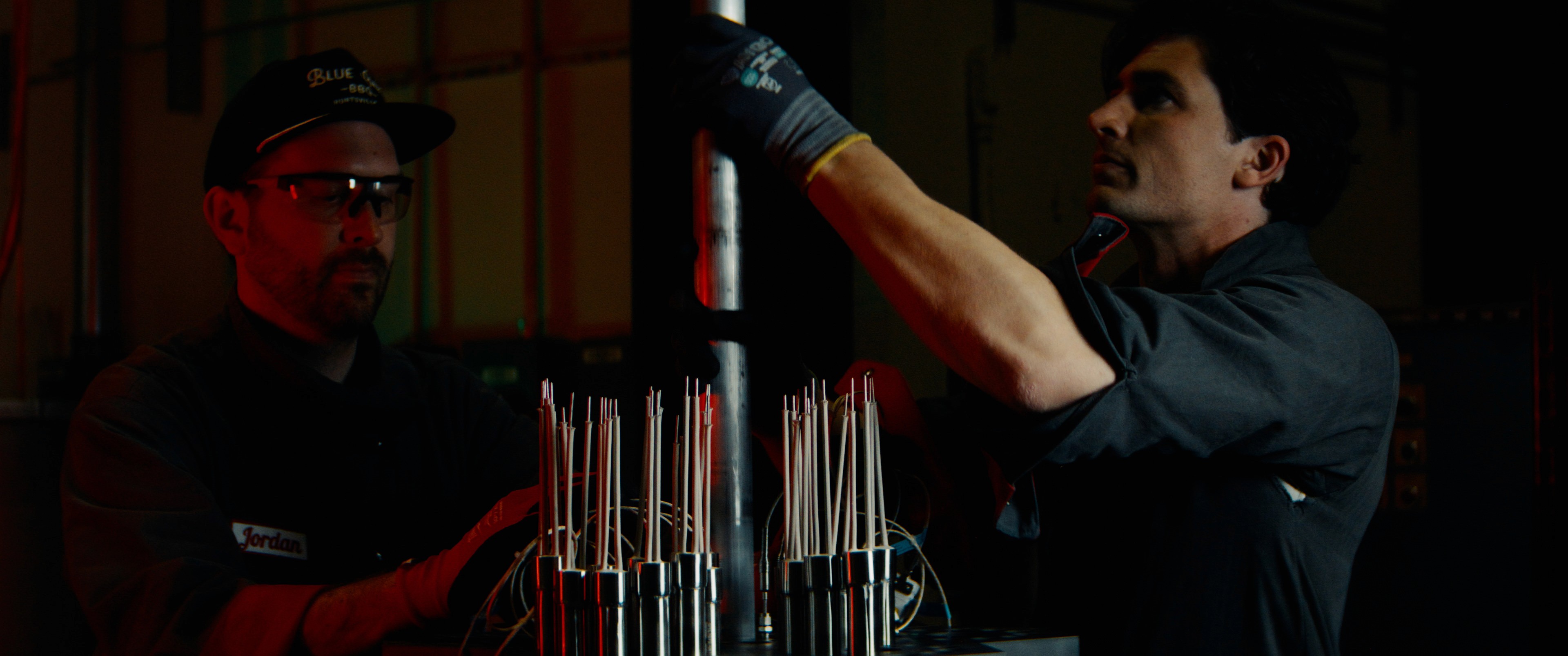
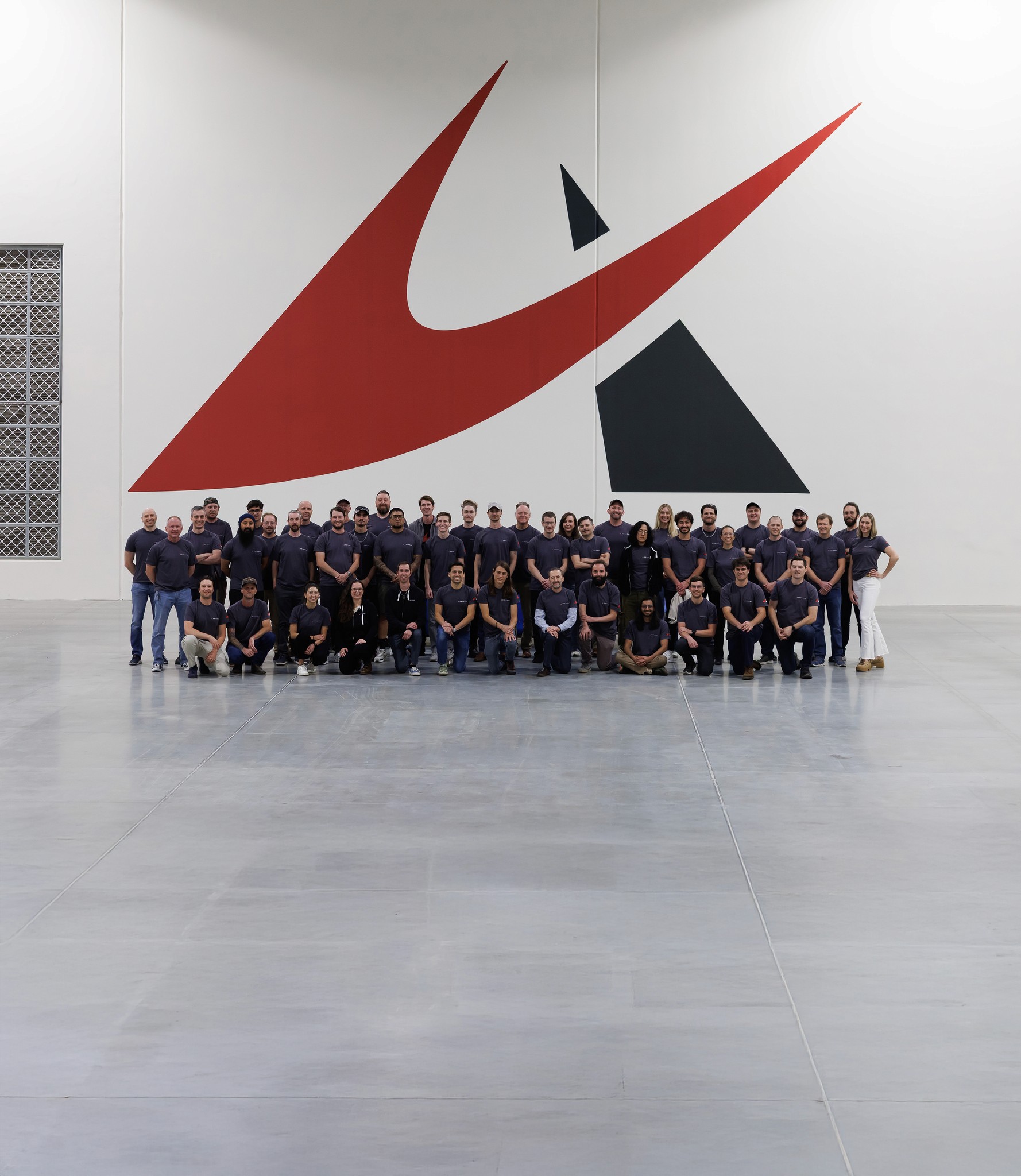
In 2025, we set the pace for advanced reactor development—completing our Conceptual Design Review (CDR) on an accelerated timeline and becoming the first company in the country to receive an approved Nuclear Safety Design Agreement (NSDA) for a reactor. We opened Antares Prime—145,000 sq-ft of vertically integrated R&D space—to accelerate in-house manufacturing and iteration, tested our first Electrically Heated Demonstration Unit (EDU), submitted our Preliminary Documented Safety Analysis (PDSA), prepared our reactor test site, and became the first U.S. microreactor to receive a HALEU allocation and begin fuel fabrication.
2026
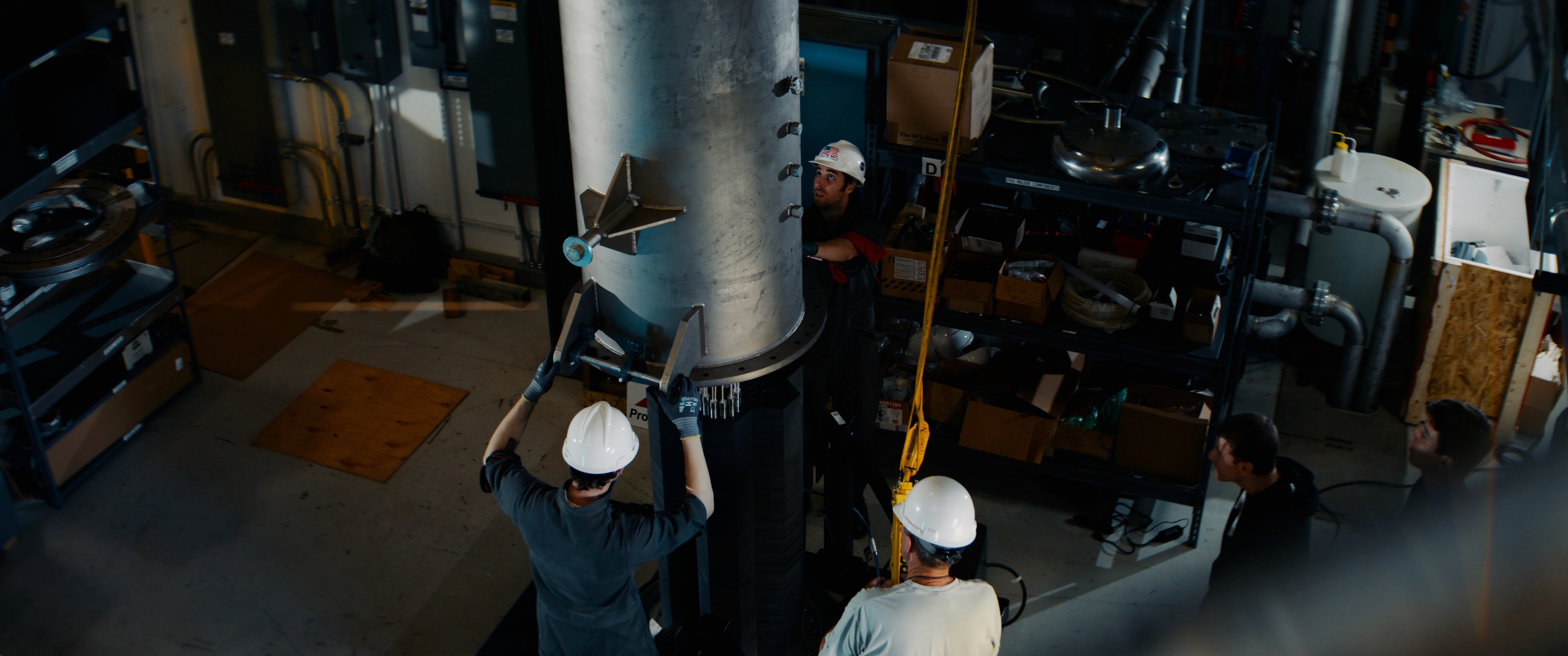
In 2026, we will conduct our first reactor demonstration at Idaho National Laboratory under the Department of Energy’s Reactor Pilot Program—validating reactor physics, reactivity control behavior, and system-level safety performance in operation. In parallel, we will close the final reactor design and safety analysis and complete qualification of our heat pipes, heat exchanger, and power conversion system, setting the conditions for full-power operation in 2027.
2027
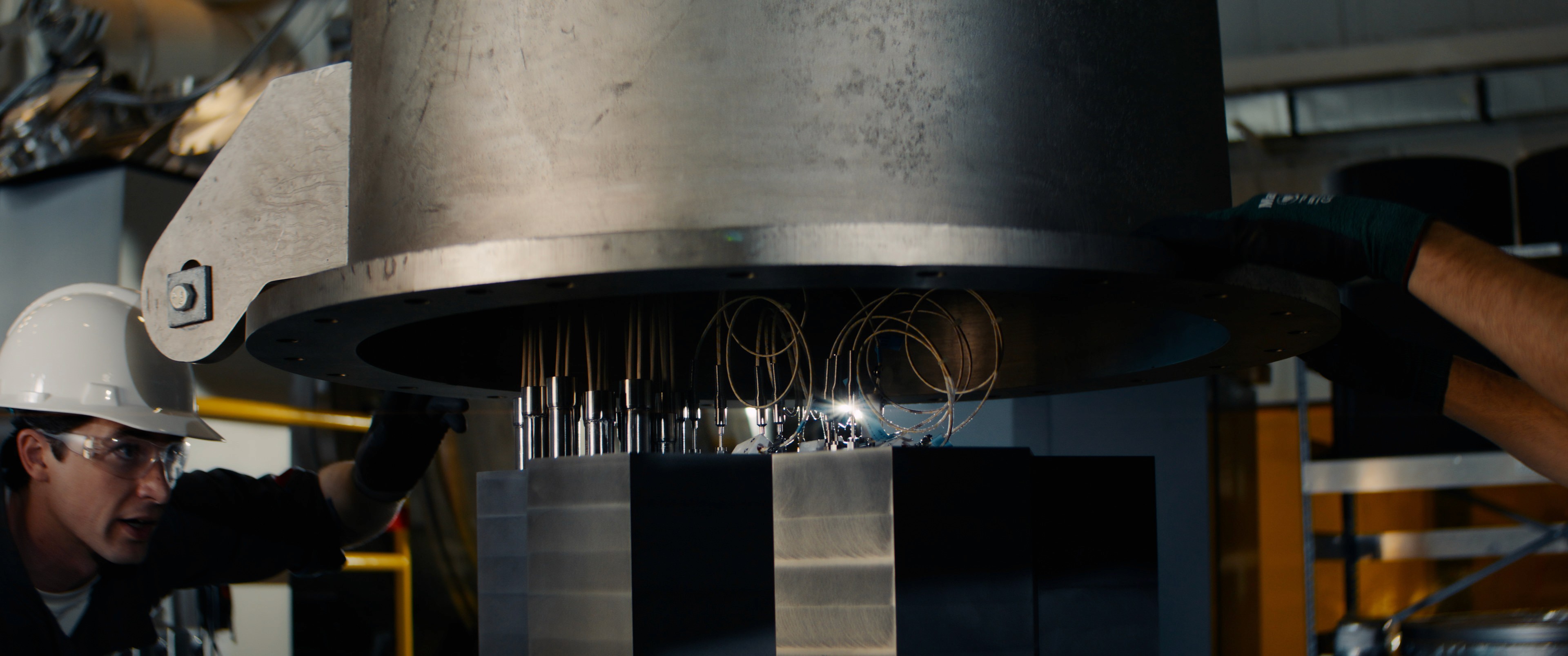
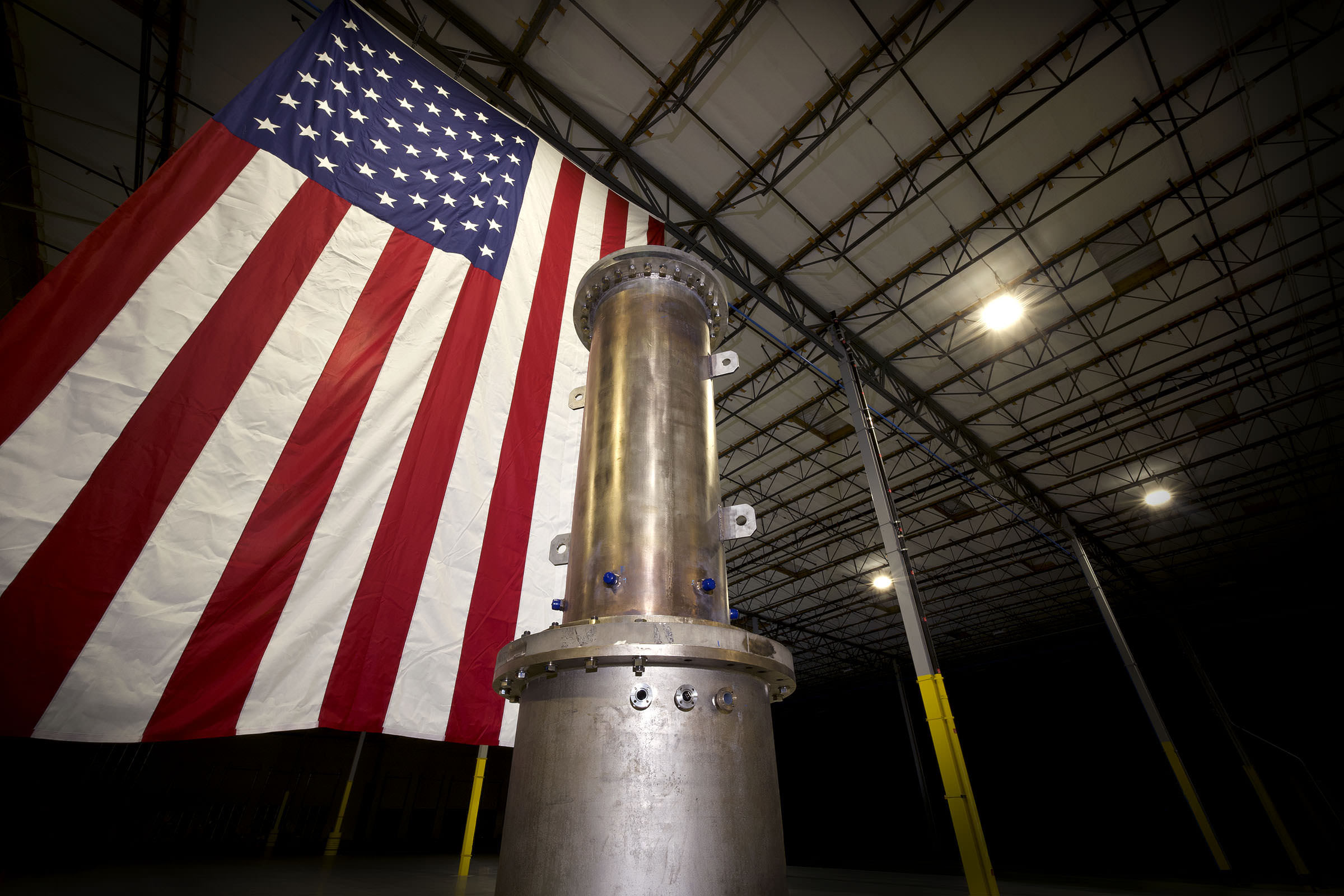
In 2027, we operate a full-power, electricity-producing advanced reactor on American soil. We will validate system performance and prepare for customer deployments beginning in 2028.
2025
In 2025, we set the pace for advanced reactor development—completing our Conceptual Design Review (CDR) on an accelerated timeline and becoming the first company in the country to receive an approved Nuclear Safety Design Agreement (NSDA) for a reactor. We opened Antares Prime—145,000 sq-ft of vertically integrated R&D space—to accelerate in-house manufacturing and iteration, tested our first Electrically Heated Demonstration Unit (EDU), submitted our Preliminary Documented Safety Analysis (PDSA), prepared our reactor test site, and became the first U.S. microreactor to receive a HALEU allocation and begin fuel fabrication.
2026
In 2026, we will conduct our first reactor demonstration at Idaho National Laboratory under the Department of Energy’s Reactor Pilot Program—validating reactor physics, reactivity control behavior, and system-level safety performance in operation. In parallel, we will close the final reactor design and safety analysis and complete qualification of our heat pipes, heat exchanger, and power conversion system, setting the conditions for full-power operation in 2027.
2027
In 2027, we operate a full-power, electricity-producing advanced reactor on American soil. We will validate system performance and prepare for customer deployments beginning in 2028.
2025
In 2025, we set the pace for advanced reactor development—completing our Conceptual Design Review (CDR) on an accelerated timeline and becoming the first company in the country to receive an approved Nuclear Safety Design Agreement (NSDA) for a reactor. We opened Antares Prime—145,000 sq-ft of vertically integrated R&D space—to accelerate in-house manufacturing and iteration, tested our first Electrically Heated Demonstration Unit (EDU), submitted our Preliminary Documented Safety Analysis (PDSA), prepared our reactor test site, and became the first U.S. microreactor to receive a HALEU allocation and begin fuel fabrication.
2026
In 2026, we will conduct our first reactor demonstration at Idaho National Laboratory under the Department of Energy’s Reactor Pilot Program—validating reactor physics, reactivity control behavior, and system-level safety performance in operation. In parallel, we will close the final reactor design and safety analysis and complete qualification of our heat pipes, heat exchanger, and power conversion system, setting the conditions for full-power operation in 2027.